In San Diego, pools often run year-round—so energy efficiency isn’t a minor detail, it’s a long-term budget decision. The equipment you choose affects monthly utility bills, water clarity, and how hard components have to work. When systems are sized correctly and operated intelligently, you can enjoy a cleaner pool with lower costs and fewer repairs.
Below are the upgrades that tend to deliver the biggest returns for homeowners.
Efficiency starts with the circulation plan
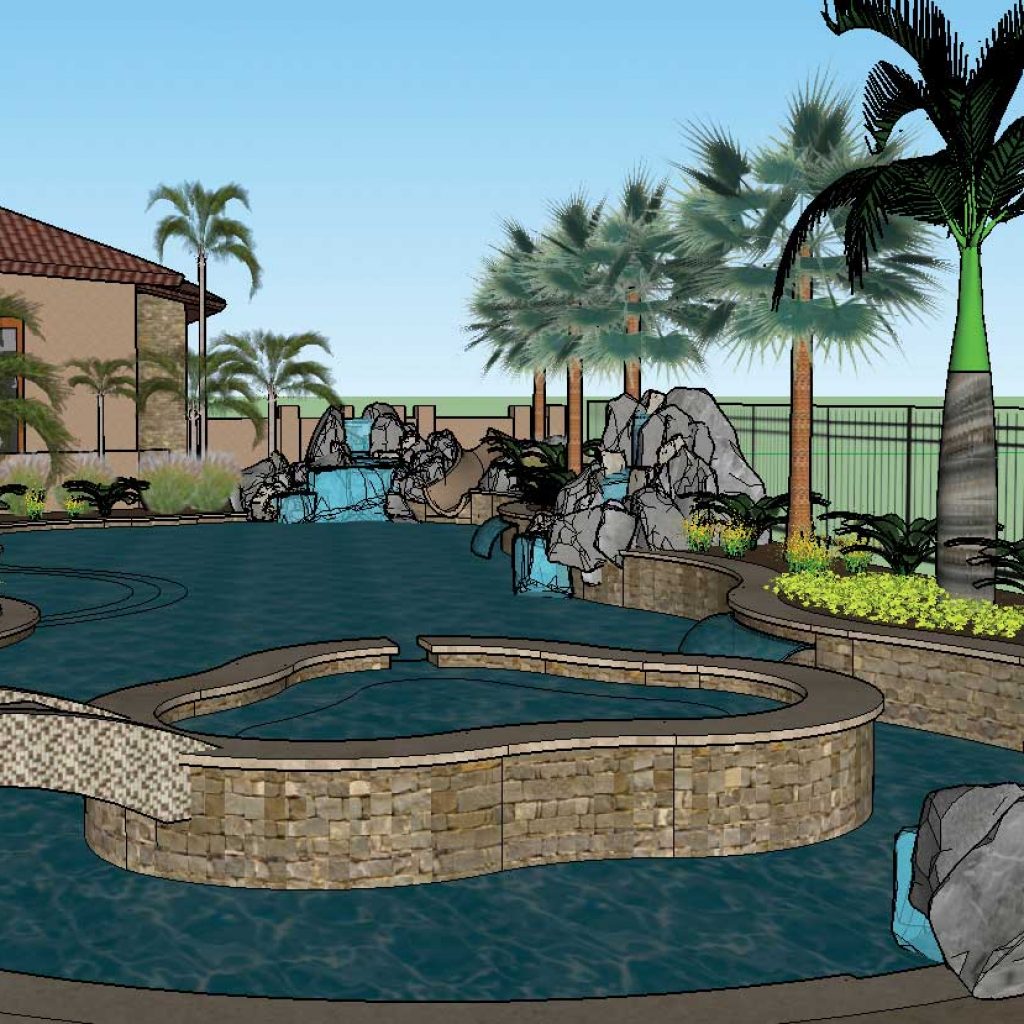
Many “expensive-to-run” pools are expensive because the circulation plan wasn’t optimized. Plumbing runs, return placement, and equipment sizing should be set during custom pool design, not guessed later. A good design reduces dead spots, improves skimming, and allows the pump to run at lower speeds for longer periods—usually the sweet spot for efficiency.
Variable-speed pumps and smart run times
A variable-speed pump is often the single biggest energy saver. Instead of blasting at one high speed, it can run quietly at low speed for filtration and ramp up only when needed (heating, cleaning, water features). That flexibility can reduce electricity use substantially compared to older single-speed setups.
The other half of the equation is runtime. A longer low-speed cycle typically filters better than a short high-speed cycle, and it’s easier on plumbing and filters.
Filtration and cleaning efficiency
Filters don’t “use” much electricity directly, but they affect how hard your pump has to work. When a filter is undersized or neglected, pressure rises and circulation suffers. Matching the filter to pool size—and keeping it maintained—helps the pump operate in a lower-stress range.
Cleaner circulation also reduces how often you need to shock, clarifier, or fight algae, which indirectly saves money and extends surface life.
Automation that prevents waste
Automation reduces waste by running equipment on precise schedules and coordinating systems efficiently. A well-programmed controller can manage pump speeds, heater operation, and lighting without the “guess and overrun” pattern many homeowners fall into.
It also makes seasonal adjustments easier—slightly longer filtration in warmer months, shorter in cooler months—without manual tinkering every week.
Heating choices and how you actually use the pool
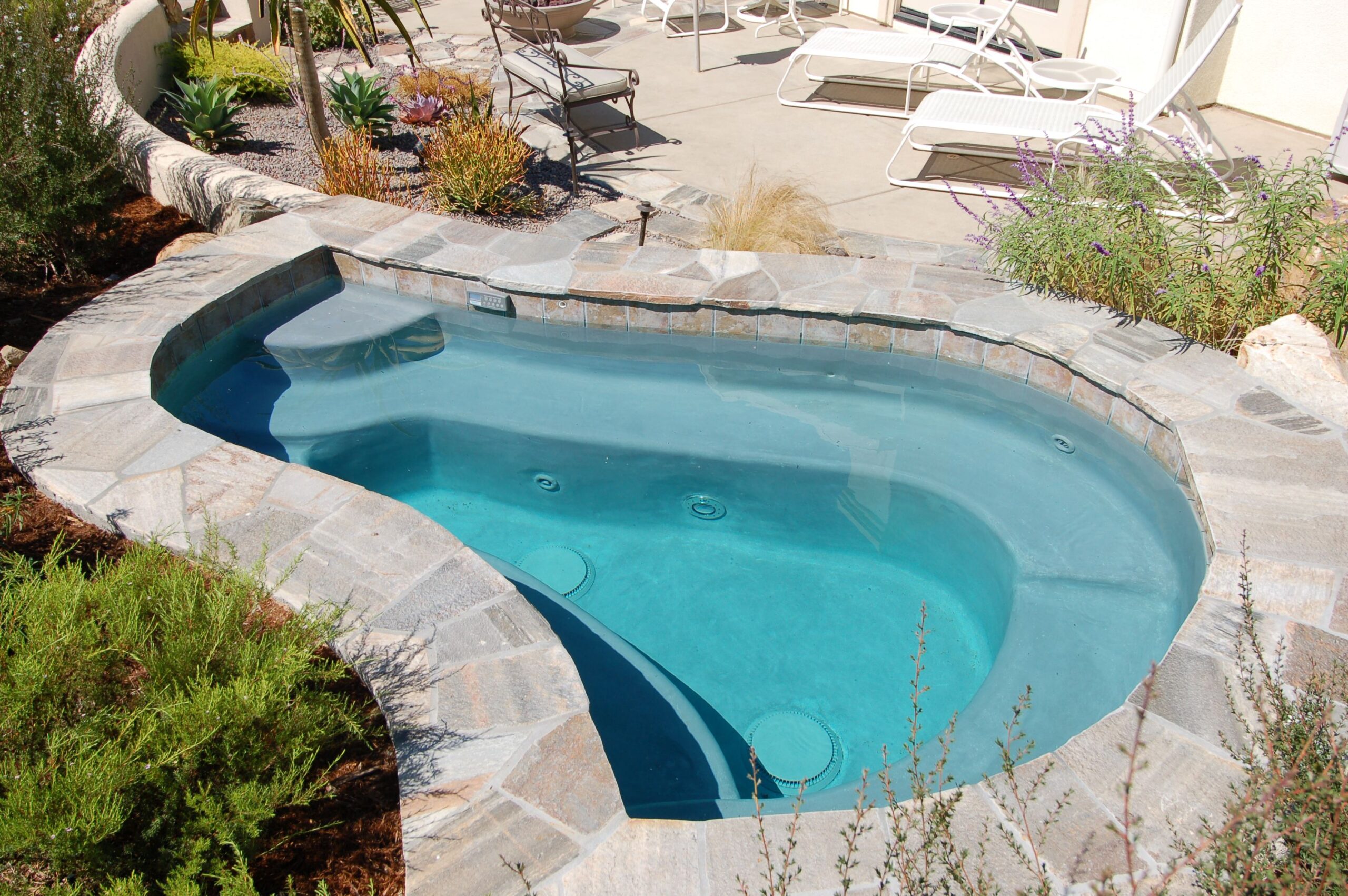
Heating is the largest variable in operating cost. Occasional heating for weekends is far different from maintaining a constant temperature. If you primarily want warm-water relaxation, many homeowners find that a spa-focused approach delivers the most enjoyment per dollar.
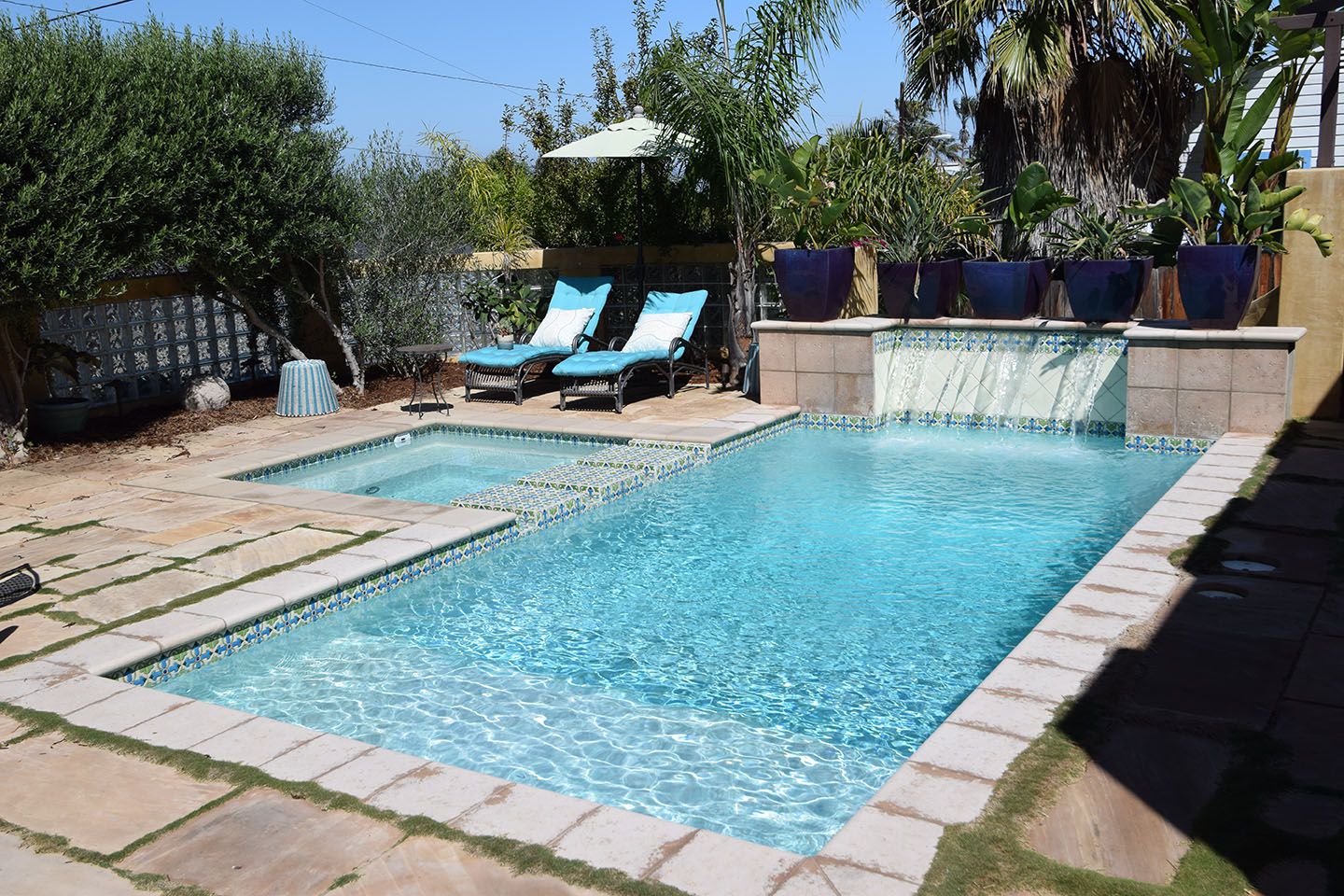
Exploring custom spas and hot tubs or a pool and spa combination) early helps align the heater, insulation strategy, and controls to your habits.
Installation quality makes or breaks efficiency
Even premium equipment underperforms when it’s installed incorrectly. Proper sizing, clean plumbing runs where possible, correct electrical setup, and well-labeled valves all influence performance. Working with a reputable San Diego inground pool contractor ensures the system is built to deliver efficiency in the real world.
If your goal is a backyard you use constantly, efficiency should be part of the broader plan too—tying the pool into an outdoor living space often improves how the pool is used and how lighting and schedules are managed.
Final takeaway
Energy efficiency is a combination of smart design, the right equipment, and correct programming. When these pieces work together, you get clearer water, quieter operation, and lower monthly bills—without sacrificing performance.