Pool safety isn’t a “nice-to-have” in San Diego—it’s part of building a backyard you can enjoy with confidence. Because our climate supports swimming most months of the year, pools tend to get more use, more visitors, and more time with kids running in and out. That makes smart safety planning just as important as choosing tile, lighting, or a water feature.
The best approach is layered: you meet code requirements, then add practical upgrades that reduce everyday risk. When safety is designed in from the start, it blends into the look of the yard instead of feeling like a bolt-on afterthought.
Start safety planning during design—not after excavation
Many safety decisions are structural, and they’re easiest to get right during custom pool design. Entry locations, step geometry, handholds, ledge placement, and deck transitions all influence how safely people move around the water. In a well-designed layout, guests naturally walk where you want them to walk and enter where you want them to enter, which reduces slips, crowding, and awkward traffic patterns.
Code-required protection: what most homeowners should expect
Safety requirements vary by site conditions, but most jurisdictions require some form of barrier protection, self-closing/self-latching gates, and related measures intended to prevent unsupervised access. A qualified San Diego inground pool contractor handles permitting and inspection coordination so these requirements are built correctly the first time. Homeowners benefit from taking barriers seriously—getting them right early prevents delays at final inspection and reduces liability long-term.
Everyday safety upgrades that make the pool easier to use
Once code basics are covered, the next goal is preventing common, real-world incidents. Most pool-related injuries around homes come from slips, rushed entry/exit, poor visibility, or kids getting too deep too fast. Fortunately, a few design choices make a measurable difference without changing the “wow factor” of the pool.
- Slip-resistant decking or textured finishes on walking paths
- Wide, comfortable steps with predictable spacing (no odd step heights)
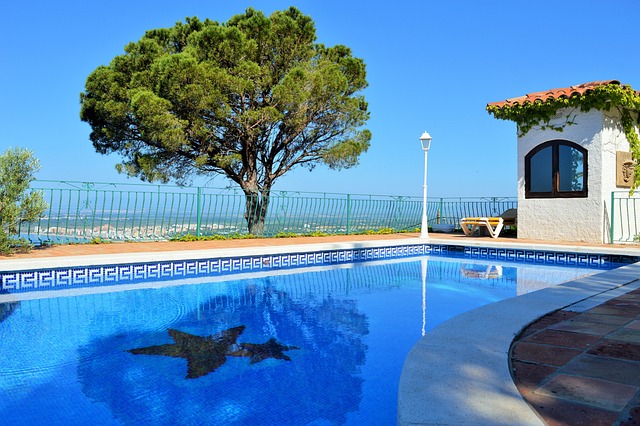
- Contrasting step edges or tile accents for visibility underwater
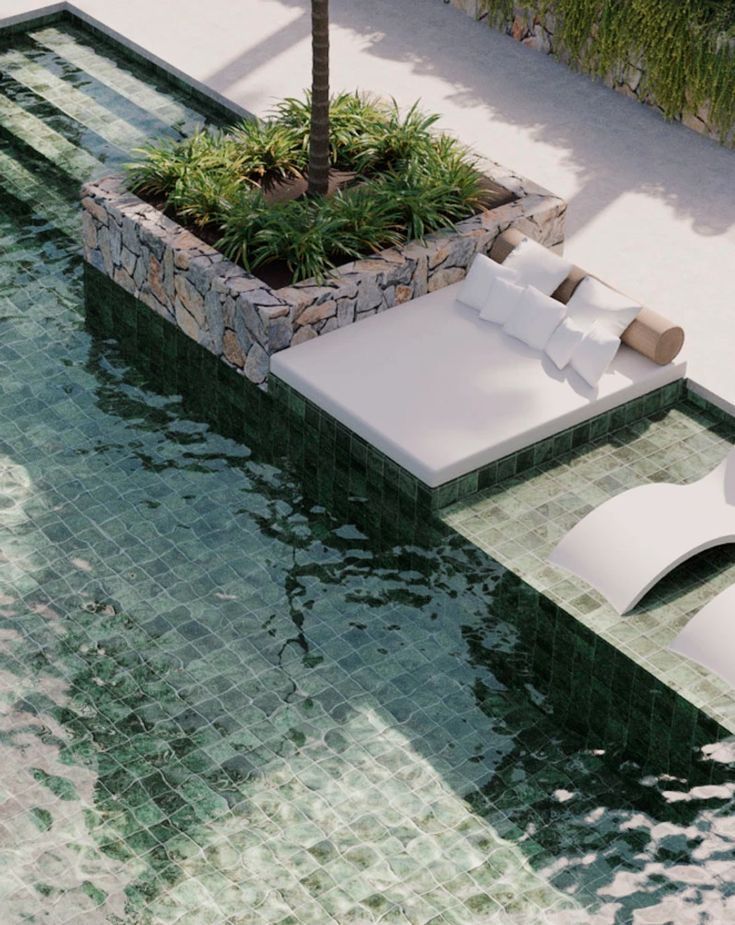
- Shallow rest zones like benches or a modest tanning ledge
- Clear walkways around the pool so people aren’t squeezing past furniture
Lighting is a safety feature, not just a vibe
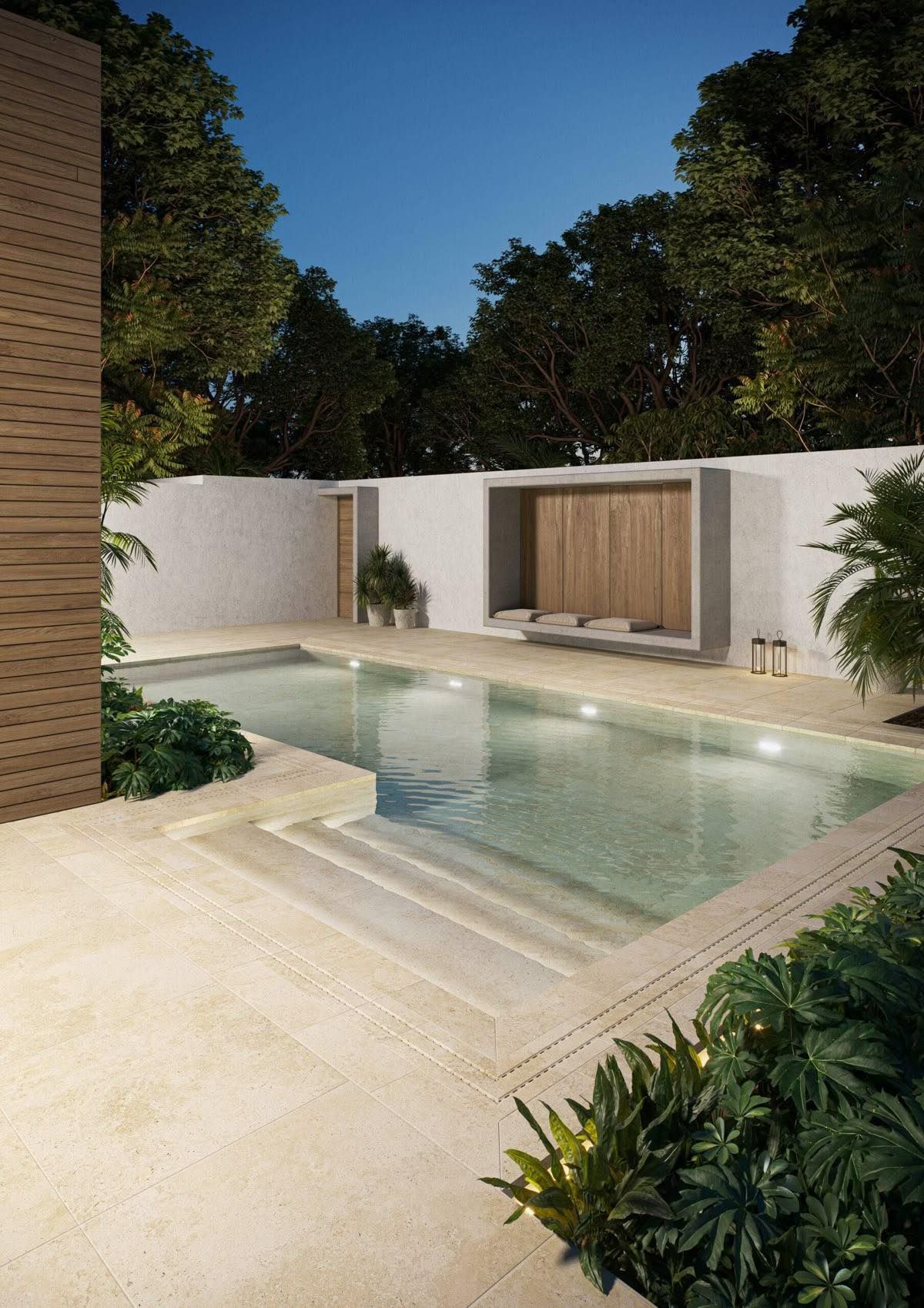
Good lighting improves safety more than most homeowners realize. Underwater lighting increases visibility for swimmers and makes depth transitions easier to see. Path and step lighting reduces trips on the deck after sunset.
When lighting is planned as part of a complete outdoor living space, it feels intentional—bright enough for safety, soft enough for ambiance.
Don’t ignore the yard around the pool
Safety isn’t only about the water. The surrounding yard affects debris, wet surfaces, and how kids move through the space. Smart landscaping can create privacy and soft boundaries without creating slippery leaf piles or constant cleanup. Drainage planning also matters; standing water on decking increases slip risk and stains.
Final takeaway
The safest pools are the ones designed for real life: clear entry points, stable walking surfaces, strong visibility, and barriers that prevent unsupervised access. If you plan safety early and build it into the design, you end up with a backyard that feels relaxed—because you’re not worried every time someone walks near the water.