For families in San Diego, a backyard pool offers incredible opportunities for connection, exercise, and outdoor living. Pools encourage kids to stay active, give families a place to gather, and make entertaining easier year-round. At the same time, pools require a thoughtful approach to safety—especially in homes with children, frequent guests, or pets.
The safest pools are not those filled with warning signs and restrictions, but those designed from the start with visibility, access control, and predictable use patterns. When safety is built into the design rather than added later, families gain peace of mind without sacrificing enjoyment.
Why pool safety should begin with design
Many of the most effective safety features are structural and must be planned early. Depth transitions, step placement, seating zones, and sightlines all influence how safely a pool can be used on a daily basis.
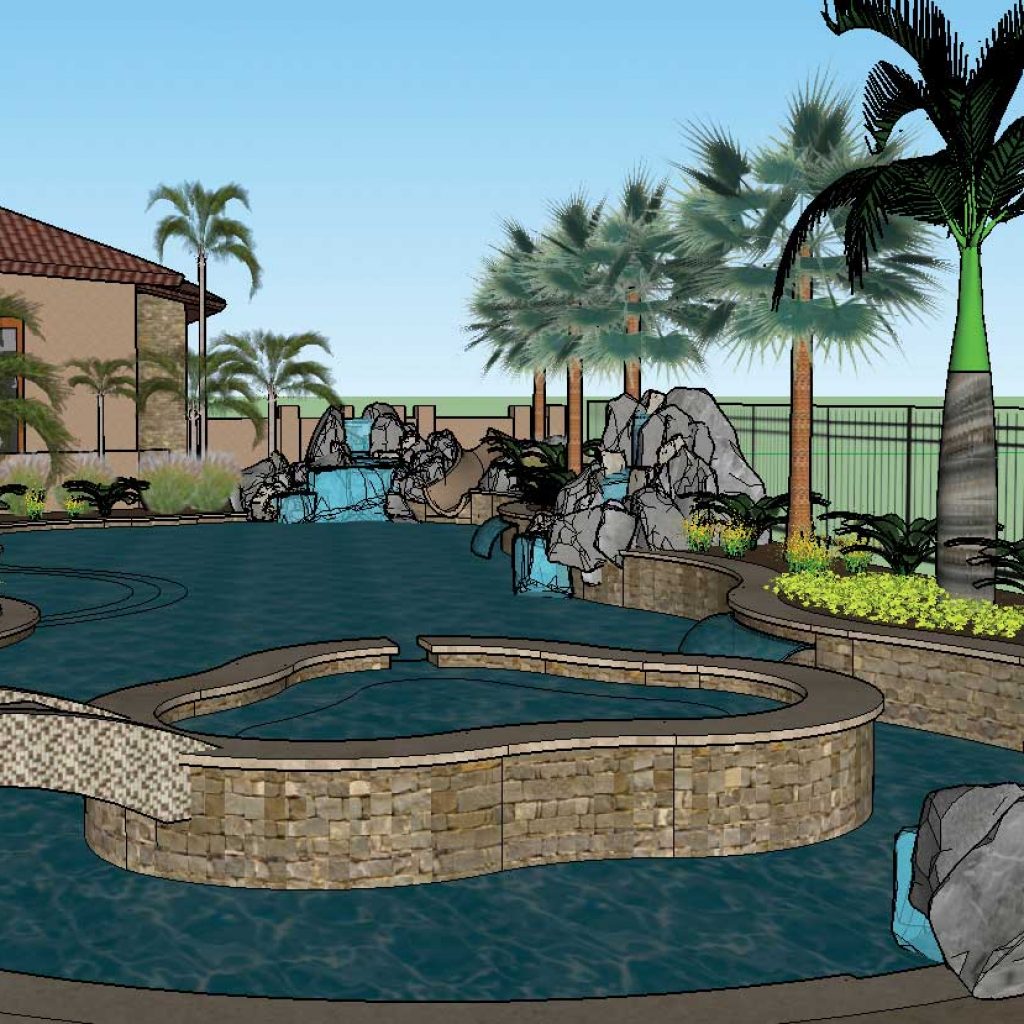
This is why safety discussions should be part of custom pool design, not an afterthought once construction is underway. A well-designed pool naturally encourages calmer movement and easier supervision, even during busy gatherings.
Built-in features that support safer swimming
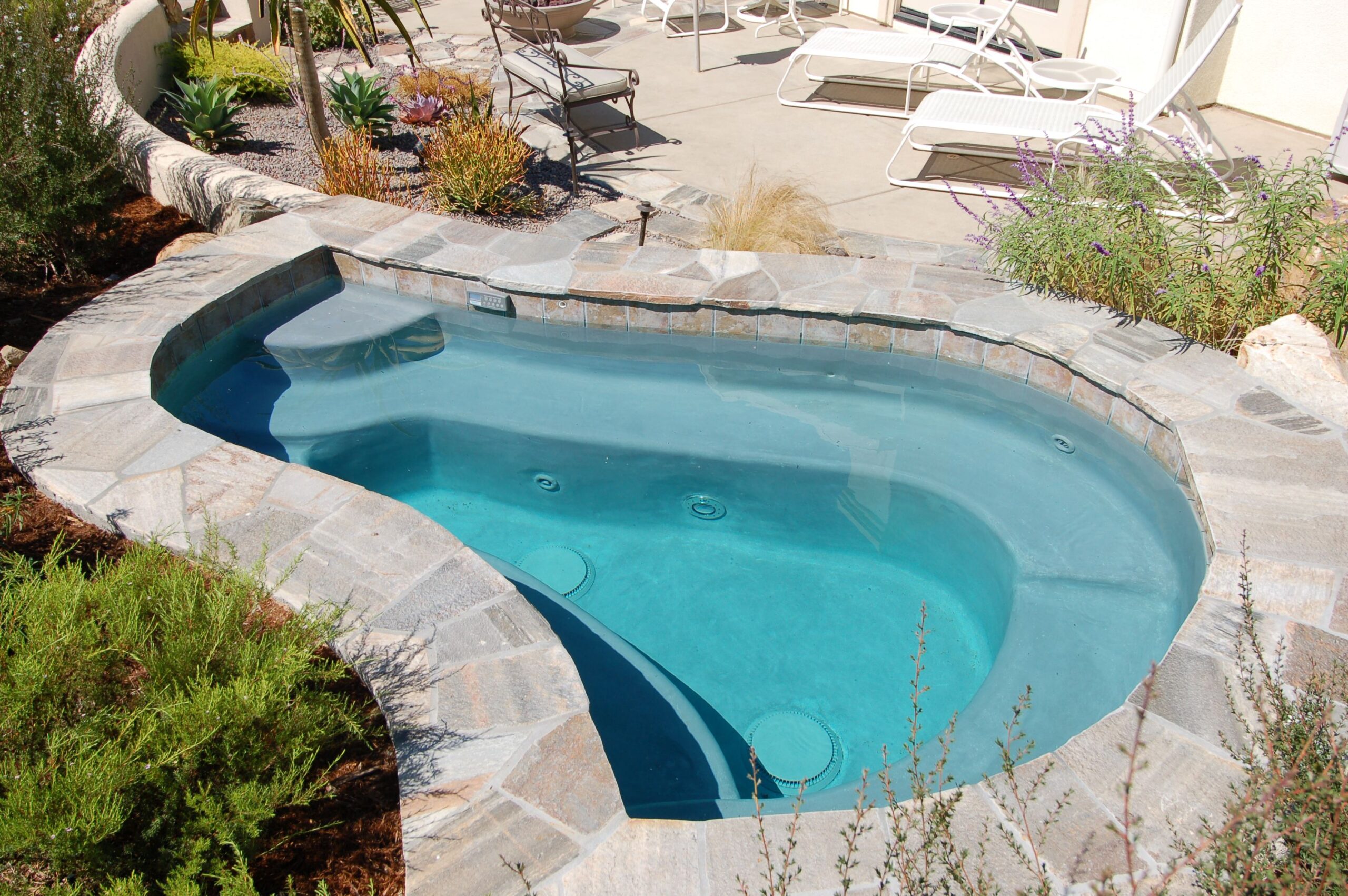
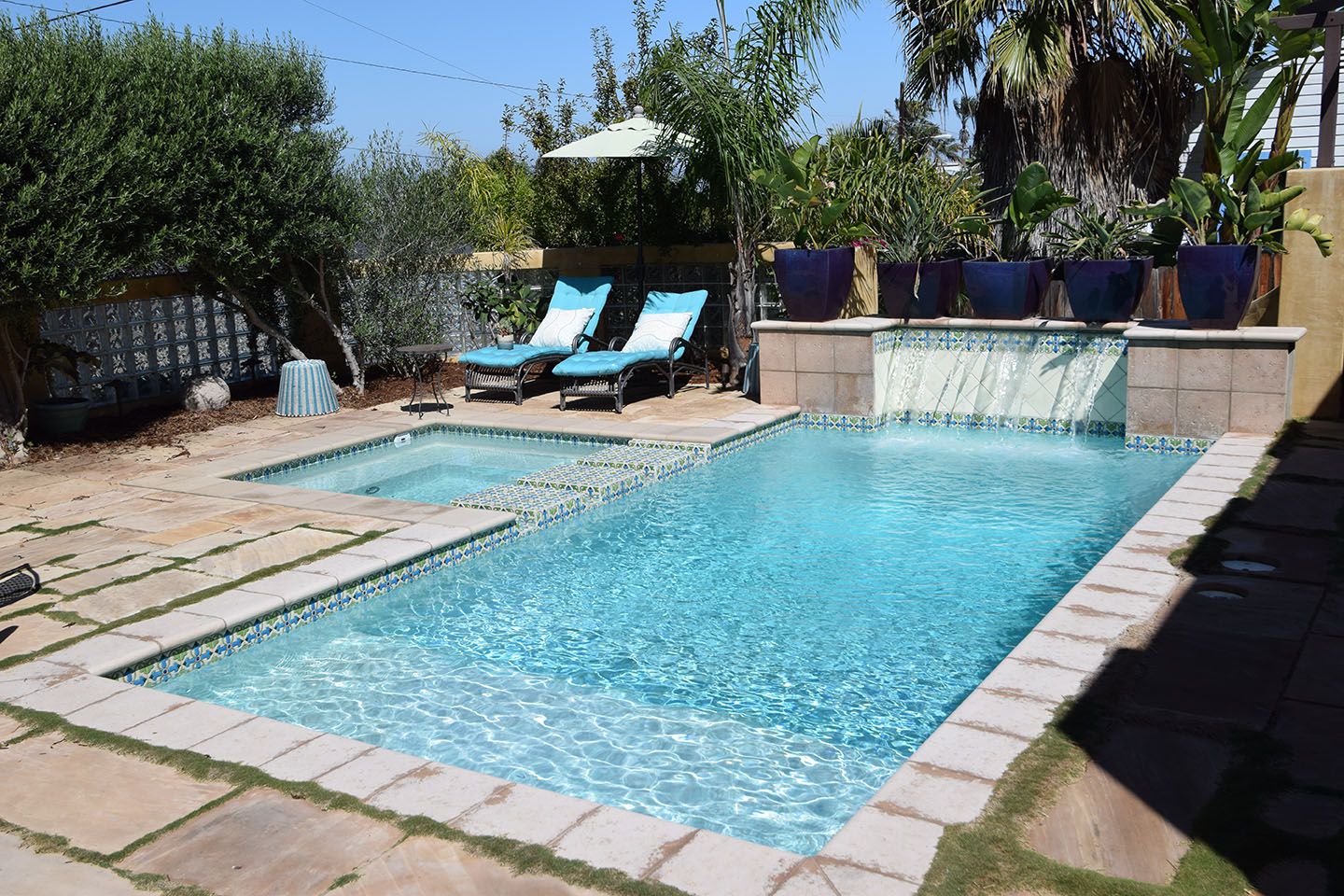
Certain design elements quietly improve safety without feeling restrictive. Wide steps allow secure entry and exit. Shallow ledges give younger swimmers a place to stand while staying cool. Built-in benches provide rest zones that reduce fatigue during play.
These features help prevent slips, reduce panic, and make the pool more accessible for swimmers of different ages and abilities. They also make it easier for adults to assist children without entering deep water.
Barriers, gates, and code-required protections
California pool safety laws require physical barriers that prevent unsupervised access. Depending on the property layout, this may include fencing, self-closing and self-latching gates, alarms, or safety covers.
A licensed San Diego inground pool contractor ensures these systems meet code requirements while remaining visually subtle. When planned properly, safety barriers blend into the yard instead of dominating it or disrupting aesthetics.
The importance of visibility and lighting
Visibility is one of the most overlooked aspects of pool safety. Dense planting, tall walls, or poor lighting can make supervision difficult—even when adults are nearby.
Strategic lighting around steps, entries, and walkways improves evening safety, while intentional landscaping preserves clear sightlines across the pool from multiple vantage points. Good visibility allows adults to respond quickly if someone needs help.
Designing behavior through layout
Design influences behavior more than rules alone. Clearly defined shallow zones, comfortable seating areas, and intuitive entry points guide swimmers toward safer use patterns.
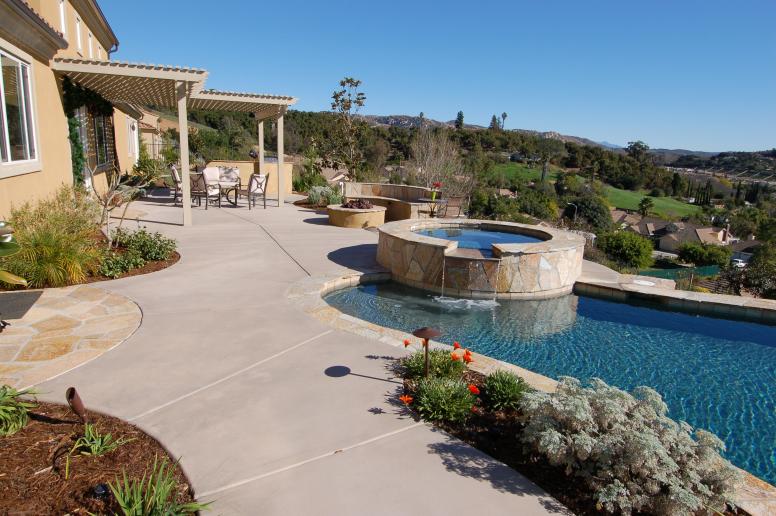
Pools that are integrated into a larger outdoor living space are often used more calmly and predictably, which naturally improves safety and reduces risky behavior.
Ongoing safety habits every family should practice
Even the best-designed pool requires responsible habits. Adults should maintain active supervision, keep safety equipment accessible, and establish clear pool rules.
As children grow, safety expectations should evolve with them. Periodic reminders, swim lessons, and consistent routines help reinforce safe behavior without creating fear or anxiety.
Final takeaway
A family-friendly pool balances fun with responsibility. When safety is integrated into design, construction, and yard layout, families gain confidence along with enjoyment.
By planning ahead and working with experienced professionals, San Diego homeowners create pool environments that are welcoming, secure, and built for long-term peace of mind.